Solo camping is not just about being alone in the woods with a fire and a bag of marshmallows. It takes real preparation. There’s no backup when you're solo. No one to lend you a flashlight when yours dies. No one to carry extra food if you forget. If you're going to do it, you better do it right. Here’s what every solo camper needs to pack before hitting the trail.
Shelter Should Never Be an Afterthought
Let's be honest. Many people assume they can simply bring a tent from the dollar store and be all set. That's not camping — that's a setup for disaster.
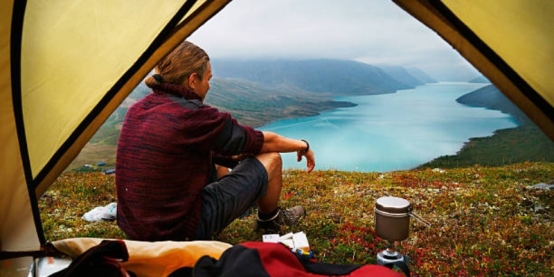
When you're camping alone, lightweight tents for solo camping are the way to go. Look for waterproof options, have strong zippers, and offer decent ventilation. A tent like the MSR Hubba NX Solo or Big Agnes Copper Spur HV UL1 works well. Make sure it sets up fast, especially if the weather turns bad.
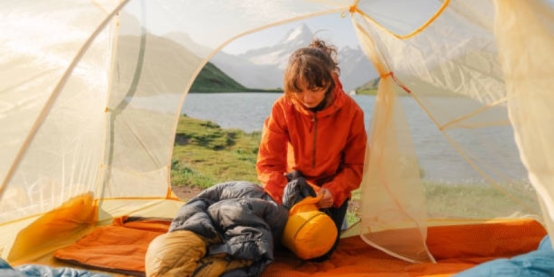
And don't even think about skipping the sleeping pad. Sleeping on raw ground might sound tough, but your back will humble you by morning. Consider a foam pad or an inflatable option, such as the Therm-a-Rest NeoAir Xlite.
Lighting: Darkness Is Not Romantic When You're Alone
Movies have ruined real camping. Out there, darkness is real — and it is thick. One flashlight will not cut it.
Pack a headlamp, always. It keeps your hands free while cooking, pitching a tent, or reaching for things. Brands like Black Diamond and Petzl have solid options. Back it up with a compact camping lantern and a spare flashlight. Bring extra batteries like your peace of mind depends on it — because it does.
According to the American Hiking Society, many emergencies happen because people underestimate lighting or lose their way in the dark. Don't be part of that statistic.
Food and Water: Hunger Doesn't Care About Your Adventure
No one cares how “natural” the trip is if you’re starving halfway through. When planning your camping food checklist, stick with ready-to-eat meals or freeze-dried foods. Bring enough for each meal, and then add an extra day's supply. Not because you’re greedy — but because plans can change.
Don’t forget camping cookware. A portable stove, like the Jetboil Flash, can boil water fast. Pair it with a lightweight cookware set, spork, and cleaning gear.
Water? Non-negotiable. Either carry enough or bring a water filtration system like the Sawyer Mini or LifeStraw. Natural water sources may look clean, but they often carry bacteria that can ruin your trip. Centres for Disease Control and Prevention reports that untreated water can lead to serious illnesses like Giardia.
Navigation Tools: Don’t Rely on Your Phone
GPS is great — until it’s not. When you’re out of signal, it becomes useless. That’s why you need camping navigation tools. Carry a physical map of the area and a compass. Learn how to use both. It’s not old-school; it’s smart.
Modern gadgets like a handheld GPS device or satellite communicator are good options too. Products from Garmin and SPOT offer tracking and emergency messaging, even without cell service. It might feel like overkill — until you need help.
And if you're hiking off-grid, let someone know your exact route and return date. Every. Single. Time.
First Aid and Safety: You're the Only One Out There
Solo campers can’t afford to “tough it out.” When things go wrong, you are the doctor, nurse, and emergency contact all at once.
Build a camping first aid kit that includes more than Band-Aids. Include antiseptic wipes, gauze, pain relievers, tweezers, antihistamines, and a whistle. Add duct tape — not kidding — because it fixes more than just tears in gear. Wrap it around your water bottle for convenience.
Also, carry bear spray if you're in an area where wildlife is common. You might not see a bear, but you’ll sleep better knowing you're prepared. According to the National Park Service, bear spray is one of the most effective tools for deterring aggressive bears.
Clothing: Weather Doesn’t Wait for You to Catch Up
Packing the wrong clothes ruins the whole experience. Check the weather forecast, but don't trust it unquestioningly.
Layer smart. Start with moisture-wicking base layers, add insulation layers like fleece, and top it with a waterproof shell. Bring extra socks, a warm hat, and gloves — even in summer. Temperatures drop fast at night in many places.
Shoes? Not your everyday sneakers. Get authentic camping boots that are waterproof and offer ankle support. Blisters and twisted ankles don't care about how stylish you look on Instagram.
Tool Time: Not Just for TV
A good multi-tool or camping knife goes a long way. You’ll need it for cooking, fixing gear, or cutting rope. Brands like Leatherman and Gerber are solid.
Speaking of rope, pack some paracord. It’s one of those things you never think you need until you need it. Use it for repairs, hanging food bags, or setting up extra shelter.
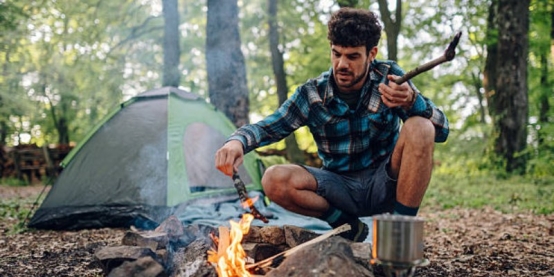
And don’t forget fire-starting tools. Waterproof matches, a lighter, and firestarter blocks should all be part of your kit. Campfires are not just for mood — they can keep you warm and safe.
The Mental Game: Confidence Comes from Preparation
The wild has no time for people playing adults. Go in unprepared, and it'll humble you fast.
Solo camping is not about pretending to be a forest warrior. It's about preparation, practicality, and self-awareness. The real badge of honour is coming back safe, not just going viral.
Being alone in nature is a gift. But don’t let the peace fool you — nature has its own rules. Learn them. Respect them. Gear up with the right tools, the right mindset, and the right checklists.
Solo Camping Checklist
Lightweight solo tent (waterproof, easy setup)
Sleeping pad and sleeping bag
Headlamp, lantern, and spare flashlight
Extra batteries
Portable stove and cookware set
Freeze-dried meals and snacks
Water filtration system or purification tablets
Physical map and compass
GPS tracker or satellite messenger
First aid kit with essentials
Weather-appropriate layered clothing
Waterproof hiking boots
Multi-tool or knife
Paracord
Fire-starting gear
Bear spray (if in bear country)
Trash bags (leave no trace)
Whistle or signal mirror
Solo camping is not about being fearless. It's about being innovative, responsible, and ready for what nature throws your way. Every item on that checklist serves a purpose — often more than one. Pack right, camp smart, and make it back with stories worth telling.